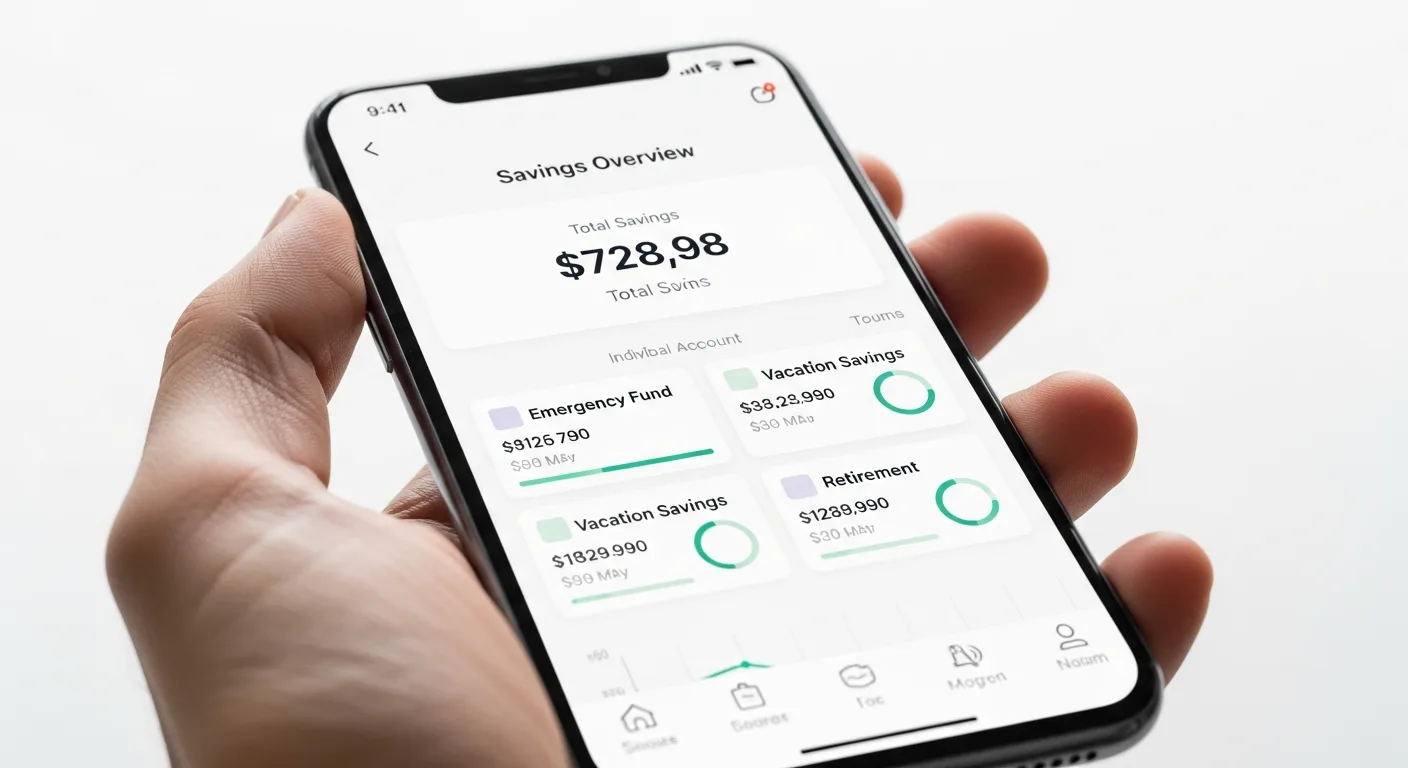
A money market account (MMA) is an interest-bearing account at a bank or credit union — not to be confused with a money market mutual fund. It often pays a higher interest rate than a regular savings account and typically includes check-writing and debit card privileges. In this comprehensive guide, we explore exactly what an MMA is and how it can fit into your personal financial strategy.
Key Takeaways
- MMAs blend features of checking and savings accounts.
- They offer higher interest rates but usually require higher minimum balances.
- They are insured by the FDIC (banks) or NCUA (credit unions).
The Mechanics of a Money Market Account
Think of an MMA as a hybrid. It gives you the interest-earning power of a savings account paired with the accessibility of a checking account. Banks are able to offer higher rates on these accounts because they generally require you to maintain a higher balance. The bank then uses these larger, more stable deposits to fund loans and other investments.
Money Market Account vs. Savings Account
While both are safe places to store cash, MMAs usually offer debit cards and check-writing abilities, which savings accounts strictly prohibit. However, savings accounts typically have lower minimum balance requirements. Both accounts historically faced the Federal Reserve's Regulation D limit of six convenient withdrawals per month, though the Fed suspended this rule in 2020.
Pros of an MMA
- Higher APY (Annual Percentage Yield) than standard savings.
- Insurance protection (FDIC/NCUA).
- Easier access to funds via checks or debit.
Cons of an MMA
- High minimum balance requirements.
- Potential monthly maintenance fees if balances fall.
- Lower returns compared to investing in the stock market.
If you have a substantial emergency fund or are saving for a near-term goal like a house down payment, a money market account provides the perfect balance of yield, safety, and liquidity. Just be sure you can comfortably meet the minimum balance requirements to avoid pesky fees.