Money market accounts and savings accounts are both safe places to grow your cash — but they're not the same product. Understanding the differences helps you choose the right home for your emergency fund, short-term savings, or idle cash. This guide gives you a side-by-side comparison across every factor that matters.
Key Takeaways
- Both are FDIC/NCUA insured up to $250,000
- MMAs typically offer higher APYs but require higher minimums
- Savings accounts are more accessible for small balances
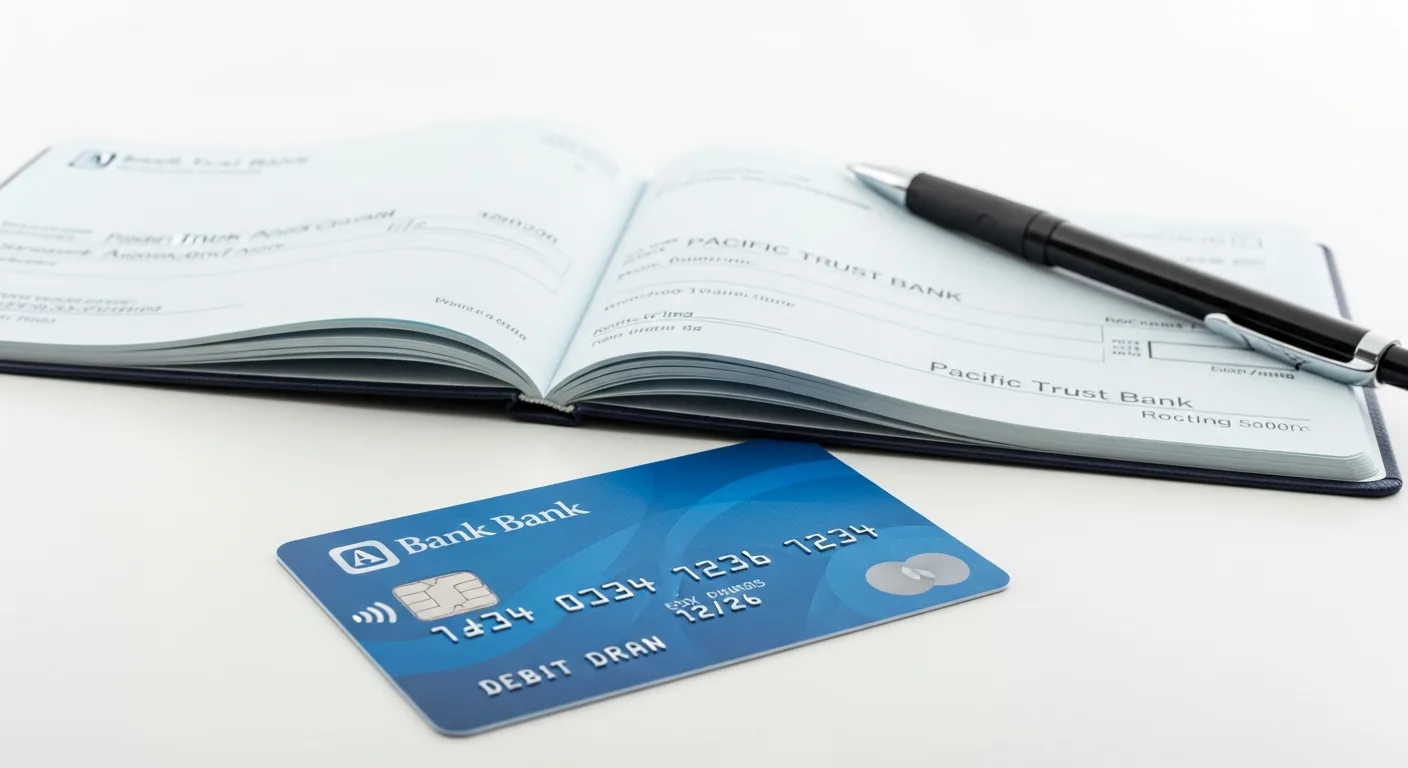
- MMAs often include check-writing and debit cards; savings accounts rarely do
- High-yield savings accounts (HYSAs) have closed much of the yield gap
Essential Reading
Side-by-Side Comparison: MMA vs. Savings Account
| Feature | Money Market Account | Regular Savings Account | High-Yield Savings Account |
|---|---|---|---|
| Typical APY | 4.50%–5.25% | 0.01%–0.50% | 4.50%–5.10% |
| Minimum Balance | $500–$10,000 | $0–$100 | $0–$1,000 |
| Monthly Fees | Sometimes (avoidable) | Often none | Rarely |
| FDIC Insured | Yes | Yes | Yes |
| Check Writing | Often yes | No | No |
| Debit Card | Often yes | Rarely | Rarely |
| Withdrawal Limits | Bank-set (often 6/mo) | Bank-set | Bank-set |
| Best For | Larger balances, cash mgmt | Small savers, beginners | All balances, rate maximizers |
When to Choose a Money Market Account
- Your balance exceeds $10,000 and you want a higher yield
- You occasionally need to write checks from the account
- You want a debit card for occasional ATM access
- You're comfortable maintaining a minimum balance to avoid fees
- You're looking for an account specifically for a down payment fund or large emergency reserve
When to Choose a Savings Account
- You're starting with a smaller balance (under $5,000)
- You don't need check-writing or debit card access
- You want zero or very low minimum balance requirements
- You're building an emergency fund from scratch
- Simplicity and no fees matter more than maximum yield
Recommended Reading
Which Account Earns More Over Time?
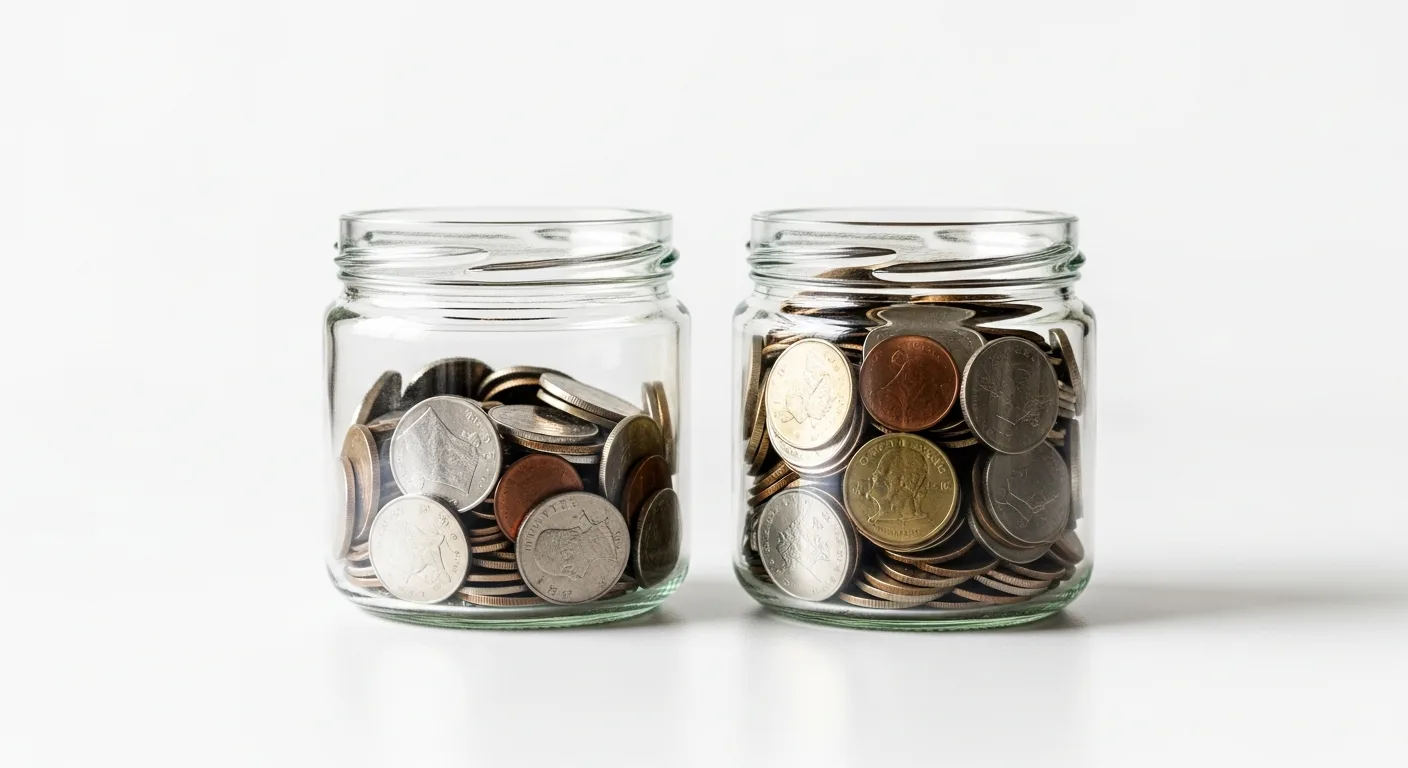
The answer depends on your balance. On a $50,000 deposit, a 5.00% APY MMA earns roughly $2,500/year versus a standard savings account at 0.50% which earns only $250/year — a $2,250 annual difference. The higher your balance and the longer your time horizon, the more meaningful the APY difference becomes.
Explore These Guides Next
For most savers with meaningful cash balances ($10,000+), a money market account is the superior choice due to higher APYs and added features. For smaller balances or those who prefer simplicity, a high-yield savings account from an online bank offers nearly comparable returns without minimum balance hurdles.