Money market accounts and savings accounts are both safe places to grow your cash — but they're not the same product. Understanding the differences helps you choose the right home for your emergency fund, short-term savings, or idle cash. This guide gives you a side-by-side comparison across every factor that matters.
Key Takeaways
- Both are FDIC/NCUA insured up to $250,000
- MMAs typically offer higher APYs but require higher minimums
- Savings accounts are more accessible for small balances
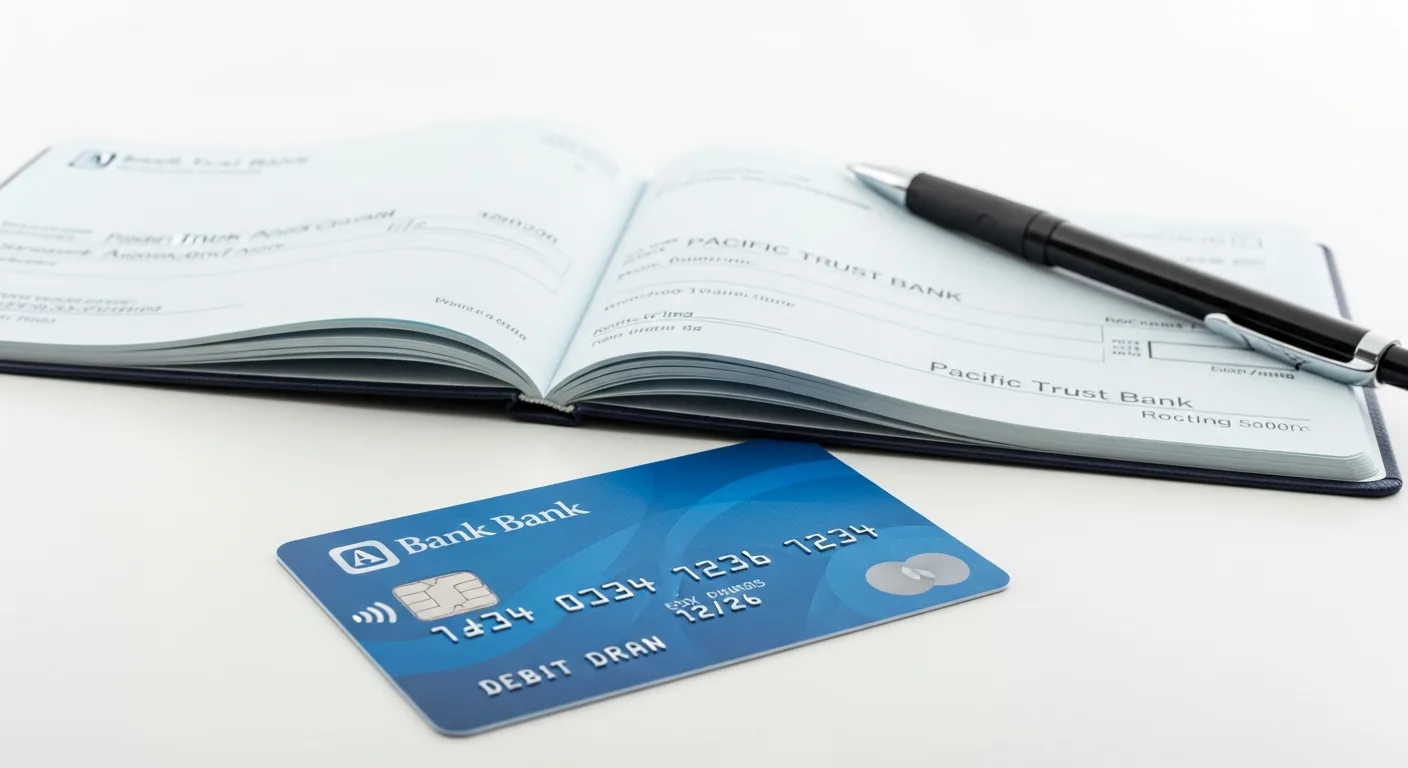
- MMAs often include check-writing and debit cards; savings accounts rarely do
- High-yield savings accounts (HYSAs) have closed much of the yield gap
Side-by-Side Comparison: MMA vs. Savings Account
| Feature | Money Market Account | Regular Savings Account | High-Yield Savings Account |
|---|---|---|---|
| Typical APY | 4.50%–5.25% | 0.01%–0.50% | 4.50%–5.10% |
| Minimum Balance | $500–$10,000 | $0–$100 | $0–$1,000 |
| Monthly Fees | Sometimes (avoidable) | Often none | Rarely |
| FDIC Insured | Yes | Yes | Yes |
| Check Writing | Often yes | No | No |
| Debit Card | Often yes | Rarely | Rarely |
| Withdrawal Limits | Bank-set (often 6/mo) | Bank-set | Bank-set |
| Best For | Larger balances, cash mgmt | Small savers, beginners | All balances, rate maximizers |
Rate Disclaimer: APY ranges shown are representative examples for educational comparison. Rates vary by institution and change frequently. Verify current rates with the specific bank before opening an account.
When to Choose a Money Market Account
- Your balance exceeds $10,000 and you want a higher yield
- You occasionally need to write checks from the account
- You want a debit card for occasional ATM access
- You're comfortable maintaining a minimum balance to avoid fees
- You're looking for an account specifically for a down payment fund or large emergency reserve
When to Choose a Savings Account
- You're starting with a smaller balance (under $5,000)
- You don't need check-writing or debit card access
- You want zero or very low minimum balance requirements
- You're building an emergency fund from scratch
- Simplicity and no fees matter more than maximum yield
Which Account Earns More Over Time?
| Starting Balance | Savings (0.50% APY) | MMA (5.00% APY) | Difference |
|---|---|---|---|
| $5,000 | $25/yr | $250/yr | +$225/yr |
| $25,000 | $125/yr | $1,250/yr | +$1,125/yr |
| $50,000 | $250/yr | $2,500/yr | +$2,250/yr |
| $100,000 | $500/yr | $5,000/yr | +$4,500/yr |
Compare More Account Types
Essential Resources
Choosing between an MMA and a savings account comes down to your balance size, how often you need access, and whether features like check-writing matter to you. For most savers with balances under $5,000, a high-yield savings account delivers equal returns with fewer requirements. For balances over $10,000 where occasional check-writing is useful, a money market account is the stronger choice.